Blog Page
| Name |
|---|
Safe Wheelchair and Stretcher Transport in Central Florida
When someone needs wheelchair or stretcher transportation, the stakes are already high. These are not routine trips. They involve elderly passengers, post-surgical patients, individuals with limited mobility, or people who cannot safely sit upright for standard transport. In Central Florida, where medical facilities are spread across multiple counties and traffic conditions can change quickly, safe transport is not something that can be improvised.... |
ADA Wheelchair Transport vs Standard Taxi Explained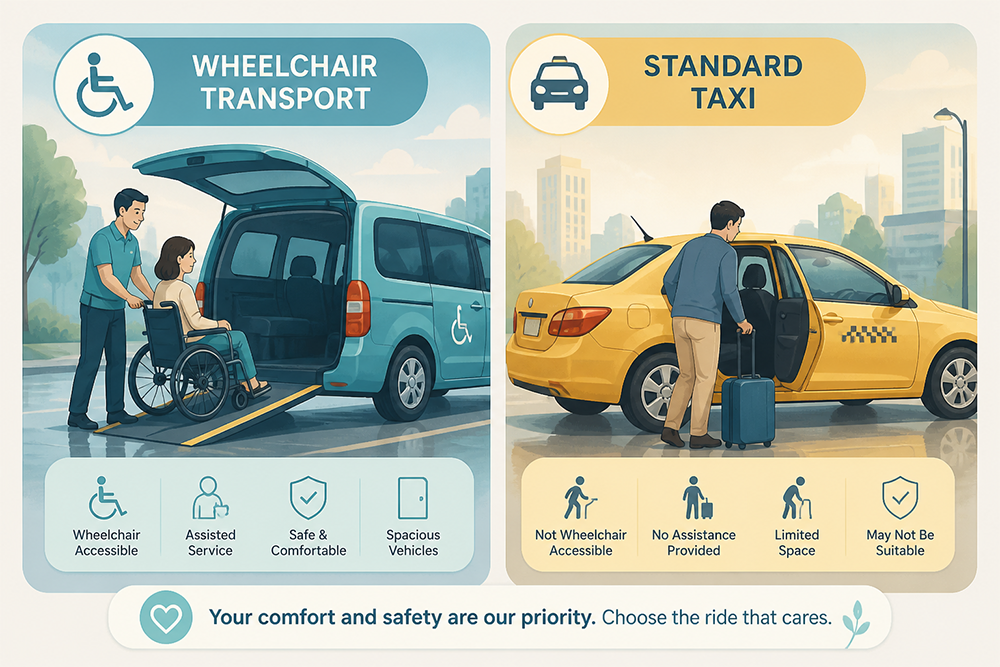
At first glance, transportation is just getting from one place to another. But for elderly passengers, wheelchair users, stretcher patients, and individuals recovering from surgery, the type of vehicle and the way they are assisted can completely change the safety of the trip.In Central Florida, many families assume a standard taxi or rideshare can handle medical transport needs. In reality, the difference between ADA-compliant transport and ... |
Why Time Cushion Medical Transport Prevents Missed Care
In medical transportation, timing is not just logistics. It is health. For patients going to dialysis, physical therapy, post-surgery follow-ups, or specialist visits, being late can create serious consequences.... |
Medical Transport in Orlando Weather and Traffic Safety
In Central Florida, transportation is never just about distance. It is about timing, unpredictability, and conditions that can change in minutes. Afternoon storms, heavy Orlando traffic, and congested hospital zones all create stress for patients who already have medical needs. For elderly passengers, wheelchair users, and individuals going to critical appointments, the journey itself can become a source of anxiety if not properly managed.At ... |
On Time Medical Transportation Across Six Central Florida Counties
When it comes to medical transportation in Central Florida, timing is not just convenience. It is care. For elderly passengers, dialysis patients, wheelchair users, and individuals recovering from surgery, a late pickup can mean a missed appointment, added stress, or even a disruption in critical treatment. At Comfort Ride Transportation, we built our entire system around one promise: being there when it matters, and getting you there saf... |
Certified Wheelchair Transportation in Orlando: Why It Matters
Certified wheelchair transportation in Orlando guarantees safe, ADA-compliant transit for chronic care patients and safe hospital discharges. Providers use specialized vehicles with hydraulic lifts, four-point tie-downs, and CPR-certified drivers. Expect trips to cost between $50 and $150, ensuring reliable access to medical facilities across Central Florida.... |
Evaluating Non Emergency Medical Transportation in Orlando
Non-emergency medical transportation (NEMT) provides safe, scheduled rides for patients who can't use standard vehicles. When evaluating providers in Florida, check for CPR-certified drivers, ADA-compliant wheelchair or stretcher vans, on-time guarantees, and transparent pricing to ensure comfortable and reliable care.... |
How Do Sensory-Friendly Autism Transportation Services Work in Orlando?
Sensory-friendly autism transportation services in Orlando reduce travel anxiety by controlling vehicle environments. Providers use dimmed lights, quiet cabins,... |
Florida Long Distance Transport Service for Disabled Patients
Planning a long-distance transport service for disabled patients requires assessing medical needs, securing the right ADA-compliant vehicle, and hiring trained staff. A medically supervised trip from Miami to Orlando takes about 4 hours. You need specialized wheelchair vans, continuous monitoring, and CPR-certified drivers to guarantee complete safety.... |
Accessibility in Orlando: What Places Are Hard to Access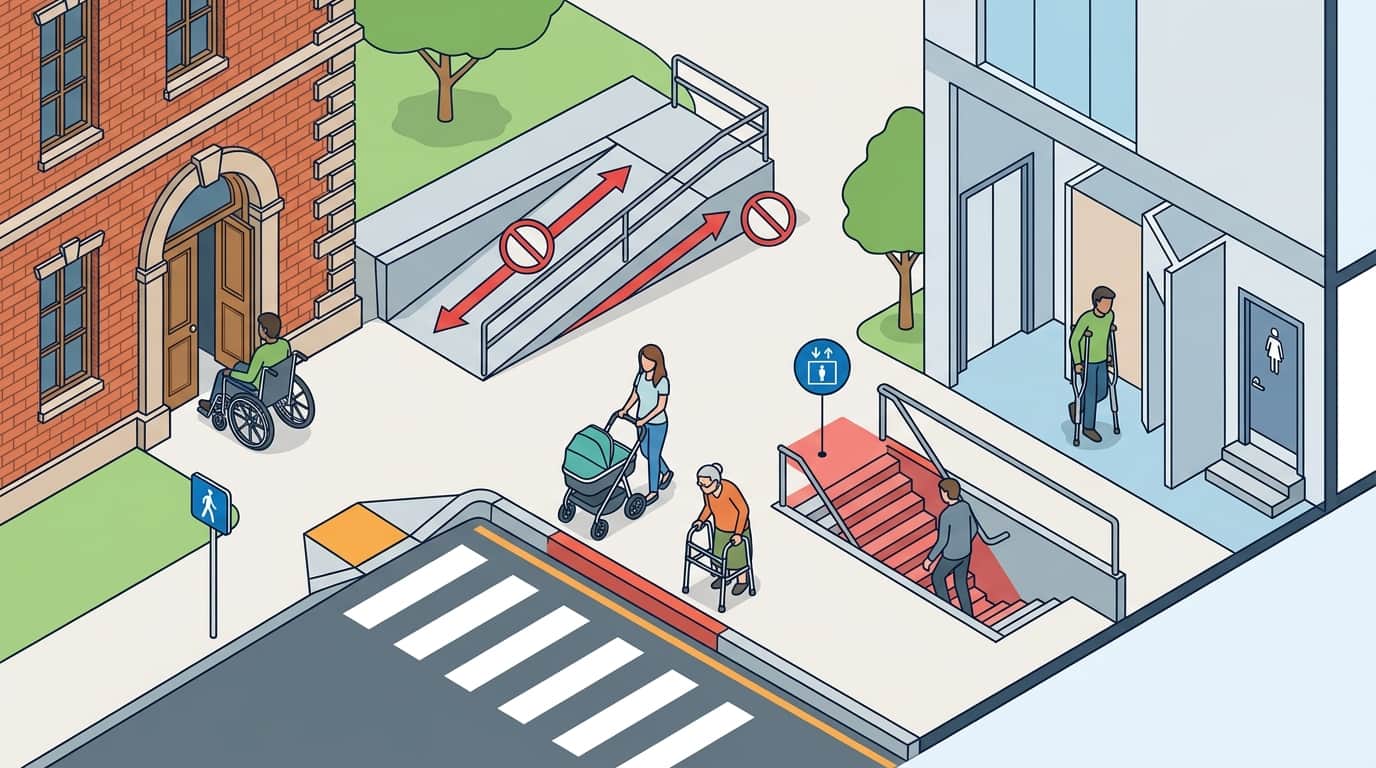
The most difficult everyday places for wheelchair users to access include restaurants with steps, older retail stores with narrow aisles, and public transit without functional ramps. Older infrastructure often lacks basic accommodations, forcing chronic care patients to plan extensively just to run basic errands or attend appointments.... |