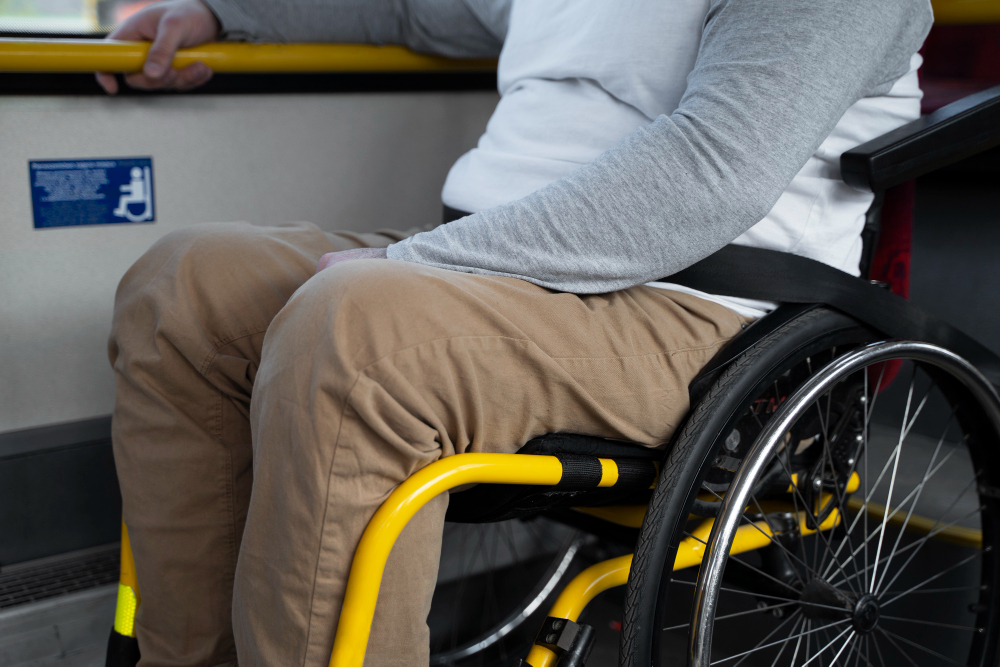
Accessible transportation is more than just a convenience; it is a fundamental right that allows individuals with disabilities to participate fully in society. From getting to medical appointments and running errands to engaging in social activities, reliable transportation is essential for maintaining independence and a high quality of life. However, navigating the landscape of accessible transportation can often be challenging, with many individuals unaware of their rights and the laws designed to protect them.
This post will explore the key federal laws that govern accessible transportation in the United States. Understanding these regulations is the first step for individuals with disabilities, their families, and caregivers to advocate for the services they need and deserve. We'll break down the major legislation, explain what it means for transportation providers, and clarify the rights of passengers.
By the end of this article, you will have a clearer understanding of the legal framework that supports accessible travel. This knowledge empowers you to identify when services fall short and to take appropriate action. For those in need of dependable local options, we will also highlight how to find a reliable wheelchair transportation service in Sumpter County, FL, ensuring you can connect with providers who comply with these critical standards.
The Americans with Disabilities Act (ADA)
The cornerstone of accessible transportation law in the United States is the Americans with Disabilities Act (ADA) of 1990. This landmark civil rights legislation prohibits discrimination against individuals with disabilities in all areas of public life, including jobs, schools, and all public and private places that are open to the general public. Title II and Title III of the ADA contain specific provisions for transportation.
Title II: Public Transportation Services
Title II of the ADA applies to public entities, such as state and local governments. It mandates that public transportation services—like city buses and rail systems—must be accessible to individuals with disabilities. Key requirements include:
- Vehicle Accessibility: All new buses, trains, and other vehicles purchased by public transit authorities must be wheelchair accessible. This includes features like lifts, ramps, and designated securement areas.
- Paratransit Services: Public transit agencies that operate fixed-route bus or rail systems must provide complementary paratransit services for individuals whose disabilities prevent them from using the fixed-route system. This is a crucial "safety net" service, offering door-to-door or curb-to-curb transportation for eligible riders. Eligibility is determined on a case-by-case basis and is not limited to wheelchair users.
- Station Accessibility: All new transit stations must be built to be accessible, and older "key stations" must be retrofitted to meet accessibility standards. This includes accessible pathways, elevators, ramps, and signage.
Title III: Private Transportation Services
Title III extends non-discrimination requirements to private entities that provide transportation services to the public. This includes private bus lines, hotel shuttles, airport shuttles, and non-emergency medical transportation (NEMT) providers.
Under Title III, these private companies cannot discriminate against people with disabilities. If they purchase new vehicles, they are often required to purchase accessible ones. For example, a hotel operating a fixed-route shuttle to an airport must ensure its vehicles are accessible. Companies offering demand-responsive services, like a wheelchair transportation service in Sumpter County, FL, must provide an equivalent service to individuals with disabilities.
The Air Carrier Access Act (ACAA)
While the ADA covers ground transportation, air travel is governed by the Air Carrier Access Act (ACAA). This law makes it illegal for airlines to discriminate against passengers based on their disability. The ACAA applies to all flights to, from, or within the United States.
Key provisions of the ACAA include:
- Airline Assistance: Airlines must provide assistance with boarding, deplaning, and making connections. This includes providing aisle chairs to help passengers who cannot walk get to their seats.
- Wheelchair Stowage: Airlines are required to transport a passenger's wheelchair or mobility device, either in the cabin or in the cargo hold. There are specific rules for handling and stowing battery-powered wheelchairs.
- Accessible Aircraft: Newer aircraft are required to have accessible features, such as movable armrests on some aisle seats and accessible lavatories on certain wide-body planes.
Despite the ACAA, air travel remains a significant challenge for many people with disabilities, with frequent reports of damaged wheelchairs and inadequate assistance. Advocacy continues for stronger enforcement and updated regulations to better protect passengers.
Navigating Local Transportation Options
While federal laws provide a strong foundation, the quality and availability of accessible transportation can vary significantly at the local level. For residents in areas like Sumpter County, FL, finding a reliable service is key to accessing healthcare and community resources.
When looking for a wheelchair transportation service in Sumpter County, FL, it's important to choose a provider that not only complies with the law but is also committed to providing safe, dignified, and dependable service. Look for companies that:
- Maintain a fleet of clean, well-maintained, ADA-compliant vehicles.
- Employ drivers who are professionally trained in passenger assistance, safety protocols, and disability sensitivity.
- Offer clear communication, transparent pricing, and flexible scheduling.
These providers fill a vital gap, especially for non-emergency medical appointments, which are not always covered by public paratransit services.
Your Partner in Accessible Transportation
Understanding your rights under the ADA and other laws is the first step toward ensuring you receive the accessible transportation you need. These regulations were put in place to break down barriers and promote equal access for everyone. While there is still work to be done to achieve full compliance and a truly inclusive system, these laws provide a powerful tool for advocacy.
If you are struggling to find reliable transportation, remember that dedicated providers are available to help. For those seeking a wheelchair transportation service in Sumpter County, FL, it’s crucial to connect with a company that understands your needs and respects your independence.
Comfort Ride Transportation is committed to providing safe, courteous, and dependable accessible transportation. Our team is trained to offer the highest level of service, ensuring you get to your destination comfortably and on time. Contact us today to schedule an appointment and experience the peace of mind that comes with a trusted transportation partner.