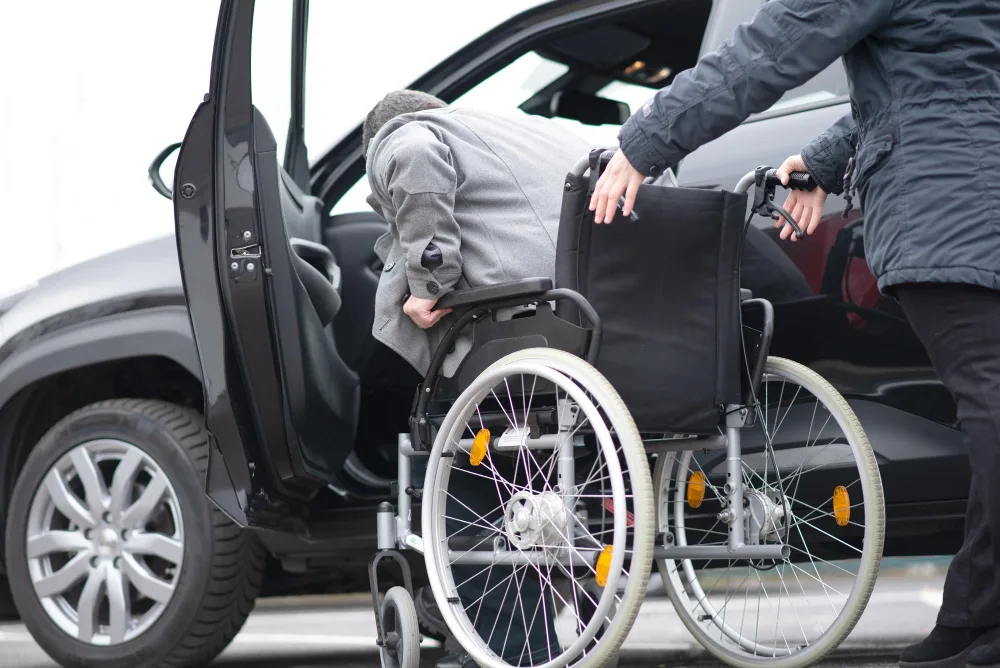
Mobility is a fundamental aspect of urban life, yet for many wheelchair users, navigating a city can be a daily challenge. From inaccessible public transport to poorly maintained sidewalks, the barriers are numerous. Creating a truly inclusive city means ensuring that everyone, regardless of physical ability, can travel safely and independently. This post will explore practical solutions cities can implement to improve wheelchair transportation and create a more equitable environment for all residents.
For many, the availability of reliable transportation is the key to accessing employment, healthcare, and social activities. While progress has been made, there is still much work to be done to make urban transportation systems fully accessible. We will look at key areas for improvement, including public transit, infrastructure, on-demand services, and policy changes. By focusing on these areas, cities can take meaningful steps toward a future where mobility is a right, not a privilege.
Enhancing Public Transportation Systems
Public transit is the backbone of urban mobility, but it often falls short for wheelchair users. To create a truly accessible system, cities must address several key components.
Accessible Buses and Trains
Modern public transport vehicles are often designed with accessibility in mind, but older fleets can present significant barriers. Cities should prioritize upgrading their buses and trains to include features like low floors, automated ramps, and designated spaces for wheelchairs. Regular maintenance of these features is crucial. A broken ramp or lift can leave a passenger stranded, turning a simple journey into a major ordeal. Staff training is equally important; drivers and station attendants must be proficient in operating accessibility equipment and prepared to assist passengers with dignity and respect.
Clear and Accessible Information
Navigating a public transport system starts long before a passenger boards a vehicle. Real-time information about accessible routes, elevator outages, and service disruptions is essential. Cities can leverage technology to provide this information through accessible websites, mobile apps with screen-reader compatibility, and audio announcements at stations and stops. Clear, high-contrast signage at transit hubs helps everyone, but it is particularly vital for individuals with visual impairments who may also be wheelchair users.
Upgrading Urban Infrastructure
The journey doesn't end when a person leaves the bus or train. The surrounding urban environment must also be navigable.
Well-Maintained Sidewalks and Curb Ramps
A smooth, continuous network of sidewalks is the foundation of accessible pedestrian travel. Cracked pavement, steep inclines, and missing curb ramps can make it impossible for a wheelchair user to get around. Cities need to implement and enforce strict standards for sidewalk maintenance and construction. Regular audits of pedestrian infrastructure can help identify and prioritize areas for repair. The installation of curb ramps at every intersection should be a standard practice, ensuring seamless transitions from sidewalk to street.
Accessible Street Crossings
Crossing the street can be one of the most dangerous parts of a journey for a wheelchair user. Intersections should be equipped with accessible pedestrian signals (APS) that provide both visual and audible cues. Countdown timers give individuals the information they need to gauge whether they have enough time to cross safely. Furthermore, crosswalks should be well-marked and free of obstructions like poorly placed street furniture or utility poles.
The Role of On-Demand Transportation
While public transit is vital, it may not always be the most practical option. On-demand services, including taxis and ridesharing companies, play an increasingly important role in urban mobility.
Increasing the Number of Wheelchair-Accessible Vehicles (WAVs)
One of the biggest challenges for wheelchair users seeking on-demand transport is the scarcity of Wheelchair-Accessible Vehicles (WAVs). Cities can encourage taxi companies and rideshare platforms to increase their WAV fleets through financial incentives, such as subsidies for vehicle conversions or reduced licensing fees. Mandating a minimum percentage of WAVs in each fleet can also ensure better availability. In areas like Marion County, FL, where public transport options may be more limited, a reliable wheelchair transportation service becomes even more critical.
Leveraging Technology for Better Service
Technology can bridge the gap between demand and supply for accessible on-demand transport. Centralized dispatch systems can allow users to specifically request a WAV and receive an accurate estimated time of arrival. Partnerships between cities and private companies can lead to integrated mobility apps that show all available transportation options—bus, train, and on-demand WAVs—in one place. This allows users to plan the most efficient and convenient journey based on their specific needs.
Policy and Community Engagement
Lasting change requires a combination of strong public policy and active community involvement.
Adopting Universal Design Principles
Cities should embrace the concept of universal design, which involves creating environments and services that are usable by all people to the greatest extent possible, without the need for adaptation or specialized design. This proactive approach ensures that accessibility is built in from the start, rather than being an afterthought. Planning departments can incorporate universal design principles into zoning codes and building regulations.
Involving the Disability Community
No one understands the challenges of navigating a city in a wheelchair better than wheelchair users themselves. It is essential for city planners and transportation authorities to actively engage with the disability community. This can be done through advisory committees, public workshops, and user testing of new infrastructure and services. This collaboration ensures that solutions are practical, effective, and truly meet the needs of the people they are intended to serve.
Finding a Reliable Local Service
While cities work toward these long-term goals, residents still need to navigate their communities today. For individuals in areas that are still developing their public infrastructure, private transportation services are often the most reliable option. These specialized services provide the necessary vehicles and trained drivers to ensure safe and comfortable travel.
For those in Florida, finding a dependable wheelchair transportation service in Marion County, FL, can make a significant difference in daily life. Access to medical appointments, social events, and essential errands becomes much more manageable with a dedicated service.
Your Path to Greater Mobility
Improving wheelchair transportation is a complex but achievable goal. It requires a multi-faceted approach that includes upgrading public transit, improving urban infrastructure, expanding on-demand options, and implementing forward-thinking policies. By prioritizing accessibility, cities can create more inclusive and equitable communities where everyone has the freedom to move.
If you or a loved one needs dependable transportation, don't wait for systemic changes to improve your mobility. If you're looking for a wheelchair transportation service in Marion County, FL, contact Comfort Ride Transportation today to schedule an appointment and experience the peace of mind that comes with a safe and reliable ride.